Flooding can hit a Georgia house without significantly warning. A sudden hurricane, a backed-up drainage system, or an stuffed creek may force water into your property within minutes. What happens in the hours that follow establishes simply how much damage your home sustains — and simply how much your restoration may ultimately cost. Understanding the flood damage restoration method, supported by real information, helps homeowners behave easily and decisively.
How Frequent Is Flood Damage in Georgia?
Flooding is the most widespread and expensive organic disaster in the United States. According to FEMA, floods cause more property damage nationally than some other weather-related event. In Georgia especially, the mix of heavy spring and summer thunderstorms, red clay earth that avoids water assimilation, and a moist subtropical environment generates a high-risk setting for both residential and professional properties.
Neighborhood Atlanta alone sees a large number of thumb flood functions annually. Attributes built in the 1980s and 1990s face compounding dangers — ageing plumbing infrastructure, deteriorating crawl spots, and basis vulnerabilities that enable water to enter fast.
Why Does the First 24 Hours Subject So Much?
The information is obvious: mold colonization starts within 24 to 48 hours of water intrusion in Georgia's climate, where summer general moisture regularly exceeds 75%. Every hour that position water remains in the framework allows humidity to move deeper into wall cavities, subfloor devices, and insulation.
A water damage function labeled as Type 1 (minimal consumption, limited to part of 1 room) may escalate to Type 3 (saturation of walls, ceilings, and subfloors) in just a simple day if left unaddressed. That escalation translates directly into larger restoration charges and greater wellness risks.
What Does the Restoration Method Actually Require?
Qualified flood damage restoration follows a structured, multi-phase method based on IICRC S500 standards — the industry benchmark for water damage remediation.
Stage 1 — Analysis: Specialists use thermal imaging and humidity detection gear to place both visible and concealed damage inside walls and subfloors.
Period 2 — Water Extraction: Industrial-grade pushes and truck-mounted removal models remove position water rapidly. House wet-dry vacuums aren't sufficient because of this stage.
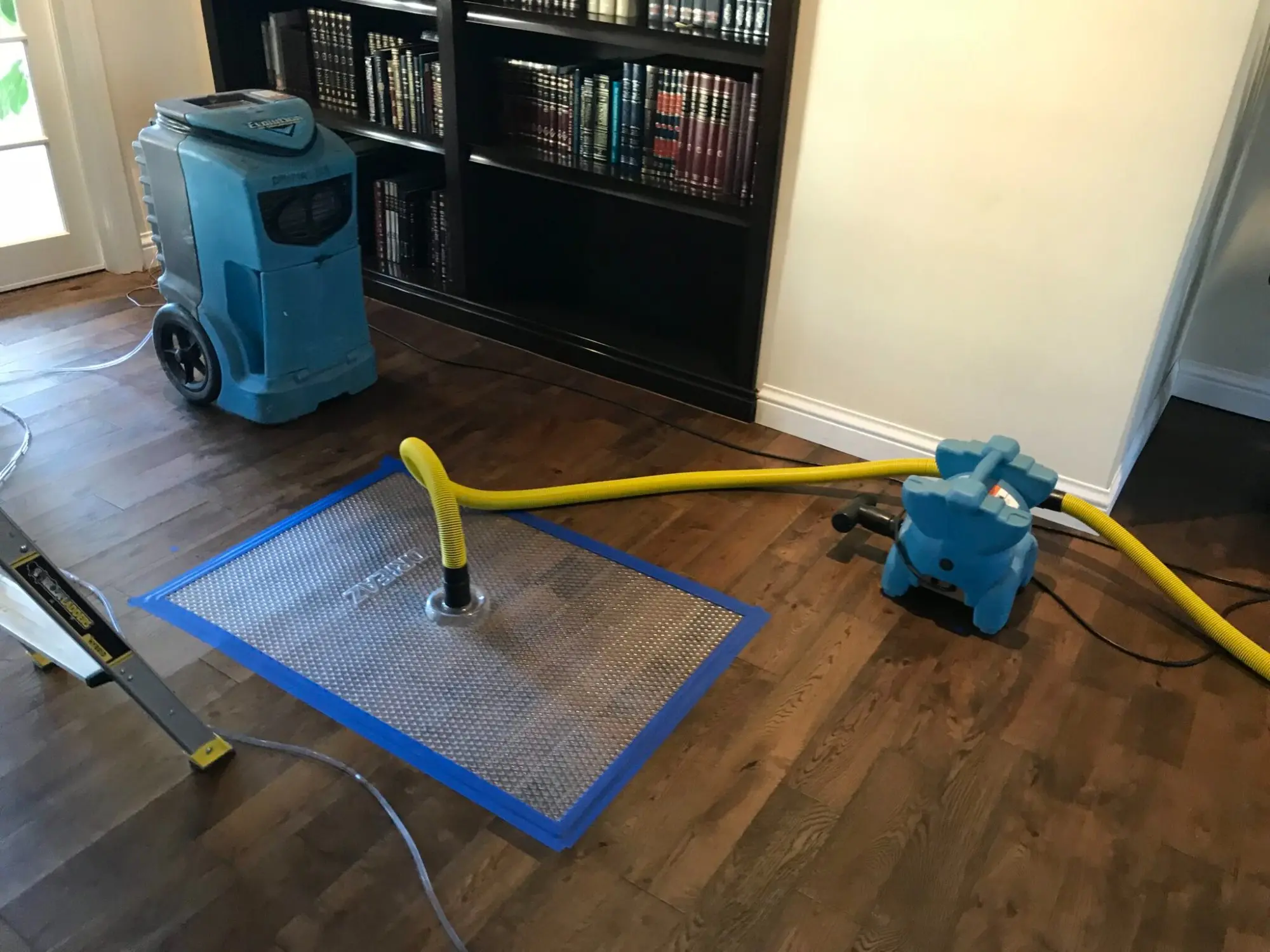
Period 3 — Architectural Drying: Commercial air movers and dehumidifiers are calibrated to Georgia's elevated humidity levels. This phase typically needs three to five days with qualified equipment.
Period 4 — Sanitization: Floodwater is usually categorized as Category 3 (black water) — meaning it includes sewage, germs, and chemical contaminants. Full antimicrobial therapy is required before any reconstruction begins.
Period 5 — Reconstruction: Drywall alternative, flooring installation, and architectural repairs return the home to their pre-loss condition. Companies offer full insurance certification throughout.

Does Homeowners Insurance Cover Flood Damage ?
Typical homeowners insurance guidelines in Georgia typically cover quick and accidental water damage , such as for example rush pipes and product failures. But, normal flood events — storm rise, overland flooding — usually demand a separate flood insurance policy through the National Flood Insurance Plan (NFIP). A licensed restoration contractor will help record damage accurately for just about any insurance claim.
Who Handles Flood Restoration Across Neighborhood Atlanta?
Certified, IICRC-certified technicians function all Metro Atlanta areas — including Cobb, Fulton, Gwinnett, Cherokee, and DeKalb — 24 hours a day, every single day of the year. One contact to (844) 817-0007 links Georgia homeowners with a nearby contractor for immediate reaction, free evaluation, and full restoration from removal through reconstruction.


No comments:
Post a Comment