Choosing the right plan can mean the difference between a setback and a financial disaster. When property owners weigh landlord insurance vs homeowners insurance, the difference frequently comes down to one factor: who lives in the home. The incorrect insurance can leave you subjected if you want defense most.

Why does the sort of occupancy matter therefore much?
Occupancy decides risk. Homeowners insurance considers the policyholder lives in the property , which designs everything from responsibility terms to claim eligibility. Around 6 in 10 insurers treat owner-occupied and tenant-occupied properties as split chance types, which explains why a typical homeowners policy seldom stretches complete safety to a rental.
What does homeowners insurance really cover?
An average homeowners plan shields owner-occupied residences across five core places:
House insurance for the home's structure, including surfaces, surfaces, and linked characteristics
Personal belongings such as for example furniture, technology, and apparel
Different structures like fences, sheds, and detached garages
Loss-of-use help that pays residing expenses if the house becomes unlivable
Particular liability for injuries or damage you're legally responsible for
Whilst not mandated by law, many mortgage lenders require that coverage. A damaged property makes poor collateral, so unless a house is ordered overall, it almost always has a policy. Remember that floods and earthquakes are typically excluded and need split up riders.
Why is landlord insurance various?
Landlord insurance treats your rental as a company advantage, anything a homeowners plan never does. Insurance often contains the home framework, the owner's belongings, premises responsibility for tenant or guest injuries, repair charges for tenant-caused injury beyond standard use, and rent reduction security if the machine becomes uninhabitable.
Optional add-ons load specific gaps. Ton security, insurance for earthquakes and hurricanes, and eviction defense that offsets legitimate charges and missing book may all be layered on for properties experiencing these risks.
How do the 2 plans compare side by side?
The clearest method to begin to see the gap is by category. Homeowners insurance addresses the owner's personal property ; landlord insurance covers just the owner's belongings, not the tenant's. Homeowners liability relates to the resident, while landlord liability handles tenant and visitor injuries. Loss-of-use gives your living costs under a homeowners program, although book loss security replaces rental income below a landlord plan. And tenant-caused injury, usually excluded from homeowners procedures, is usually included in landlord insurance within said limits.
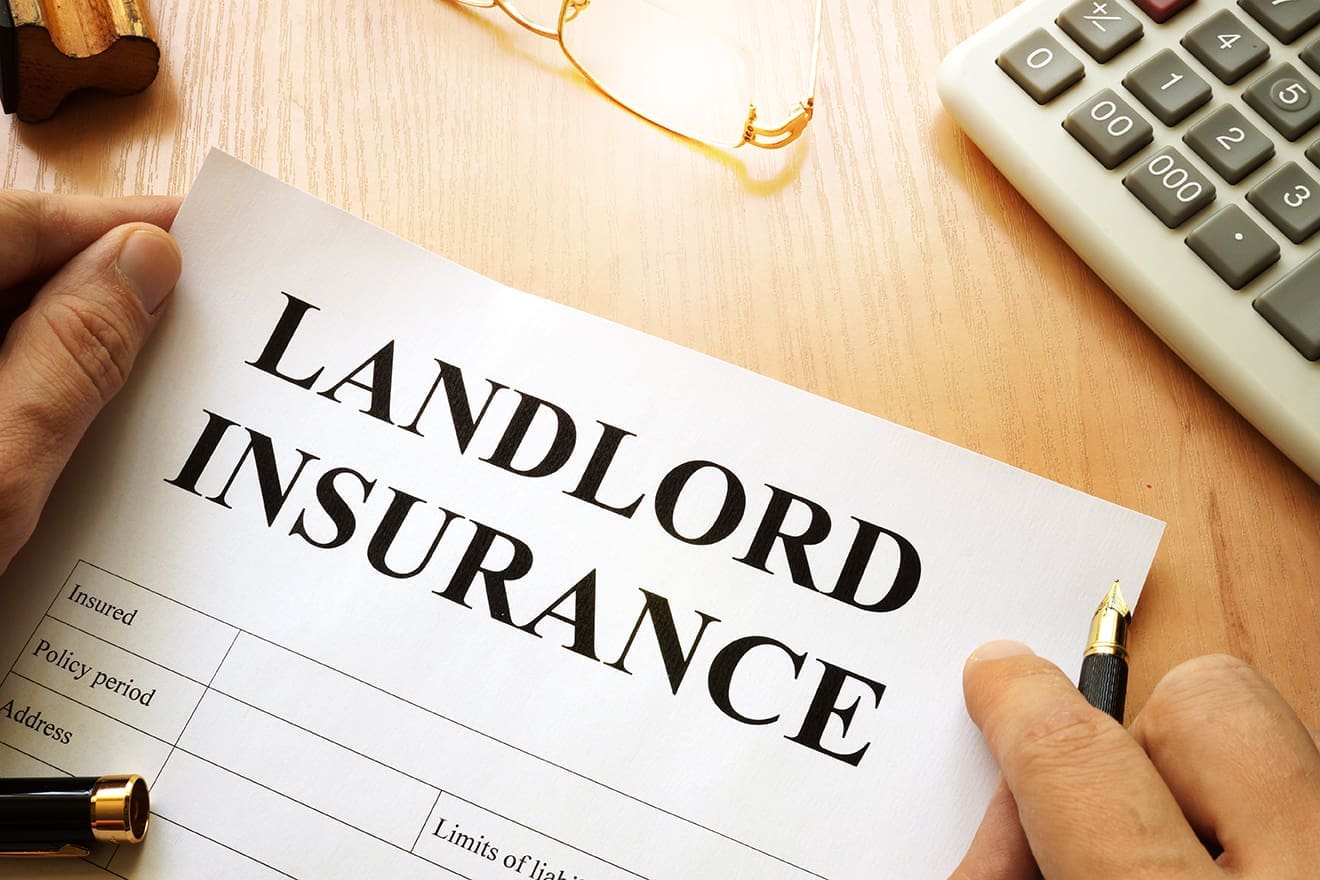
Are you able to spend less on landlord insurance ?
Yes. Requiring tenants to hold renter's insurance often reduces your landlord premium, as it changes responsibility for tenant belongings off your policy. Over time, that simple necessity may produce important savings while lowering disputes following a loss.
Choose coverage that suits how the property is employed
If you book out a property , evaluation your overall plan and move to protection developed for rental use. Homeowners insurance offers simple security that leaves investment risks unaddressed, and just one exposed event can threaten the business enterprise you've built. Speak to a realtor, consider what your property is many vulnerable to, and build a plan about these realities. The right protection today safeguards your money tomorrow.


No comments:
Post a Comment